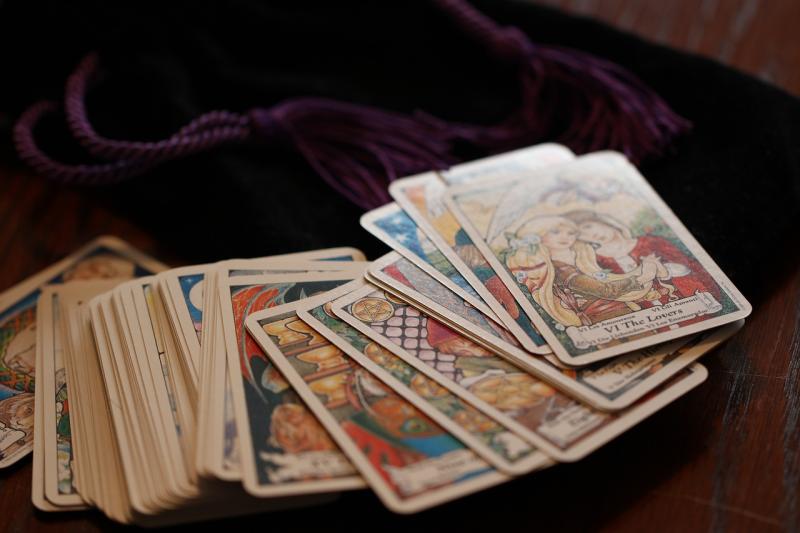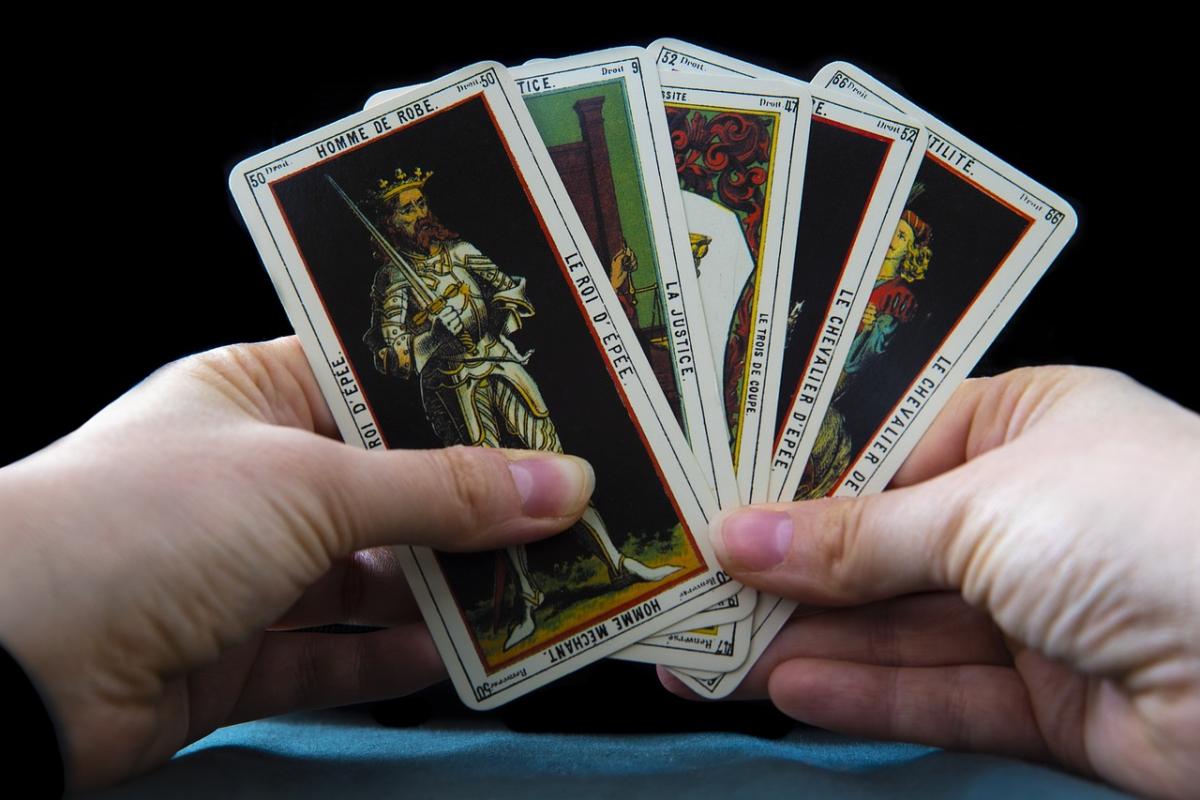
Getting started with tarot reading can feel a bit overwhelming, but it’s really all about connecting with the cards and trusting your intuition. Each card has its own unique message that can help guide you through different aspects of life. To kick off your journey, here are the basics you should know!
First, get familiar with the structure of a tarot deck. A standard deck has 78 cards split into two main groups: the Major Arcana and the Minor Arcana. The Major Arcana includes 22 cards, representing significant life lessons and themes. The Minor Arcana consists of 56 cards, divided into four suits: Cups, Pentacles, Swords, and Wands. Each suit reflects different areas in life, like emotions, finances, thoughts, and actions. Understanding these suits will help you interpret your readings better.
Next up, it’s all about your intuition! When you start a reading, shuffle the cards while focusing on your question or the situation at hand. The way you shuffle can actually create a unique energy in the cards. Once you feel ready, draw your cards and take a moment to observe them. What do they make you feel? What images or symbols stand out? Trust those feelings; they’re essential for interpreting the cards.
Lastly, practice is key! Don’t shy away from doing readings for yourself and friends. Start with simple spreads like a three-card spread for past, present, and future insights. This helps you understand your cards and how they relate to each other. As you gain confidence, try more complex spreads and deepen your connections with the cards. The more you read, the more you’ll discover the magic and guidance they can offer!
Understanding Tarot Card Meanings Simply
Understanding tarot card meanings doesn’t have to be overwhelming. Think of each card as telling a little story or giving you a hint about what’s going on in your life. The key is to connect with the images and emotions they evoke. When you pull a card, take a moment to really look at it and feel what it means to you.
Every tarot deck has its own set of meanings. However, there are some common interpretations that most tarot readers agree on. For example:
It’s also important to consider the card's position in a spread. The same card can mean different things based on whether it’s upright or reversed. Let’s say you draw The Fool upright—it might suggest being open to new experiences. But if it’s reversed, it could warn about being reckless or avoiding necessary risks.
Don’t forget to trust your intuition. Sometimes a card might evoke a personal memory or feeling that relates to your situation. Jot down your impressions or thoughts about each reading. This practice helps you build your understanding and connection to the cards over time.
Tips for Effective Tarot Spreads
Getting the most out of your tarot reading often comes down to how you lay out your cards. A well-thought-out spread makes all the difference. Here are some tips to help you choose and use tarot spreads effectively:
First, think about what you want to learn from your reading. Are you looking for guidance on a specific question or trying to understand a broader situation in your life? The right spread can give you detailed insights. For a straightforward question, a simple three-card spread works wonders. It usually covers the past, present, and future aspects of your inquiry.
Next, trust your intuition when picking a spread. There are many to choose from—Celtic Cross, Relationship Spread, or even custom ones that you create yourself. Each spread serves a different purpose. Play around with a few to see which resonates with you. Stick with what feels right.
When you're laying out the cards, take a moment to center yourself. This helps you connect better with the cards and the energy of your question. A simple deep breath can work wonders before you flip them over. As you interpret, let your thoughts flow naturally. Don’t overthink it; the cards often relate to your feelings and experiences.
Lastly, keep a tarot journal. Writing down your spreads, interpretations, and feelings can enhance your reading experience. It’s a fantastic way to track patterns over time and see how your insights evolve. Plus, it gives you a chance to reflect on your growth in your tarot journey.
Practicing Your Tarot Reading Skills
Try doing daily draws. Pull one card each day and spend a few minutes reflecting on what it might mean for you. Write down your thoughts in a journal. Over time, you’ll start to notice patterns and how different cards resonate with your life. This is a great way to build your intuition.
Join online tarot communities or local groups where you can practice with others. Sharing interpretations and insights can really boost your understanding. Plus, you’ll gain confidence as you read for friends or family. Don’t be afraid to ask for feedback; it’s all part of the learning process.
Consider setting up a regular tarot practice. Whether it’s once a week or a few times a month, consistency helps you improve. Explore different spreads too! Each spread offers unique insights and challenges, keeping your readings fresh and engaging.