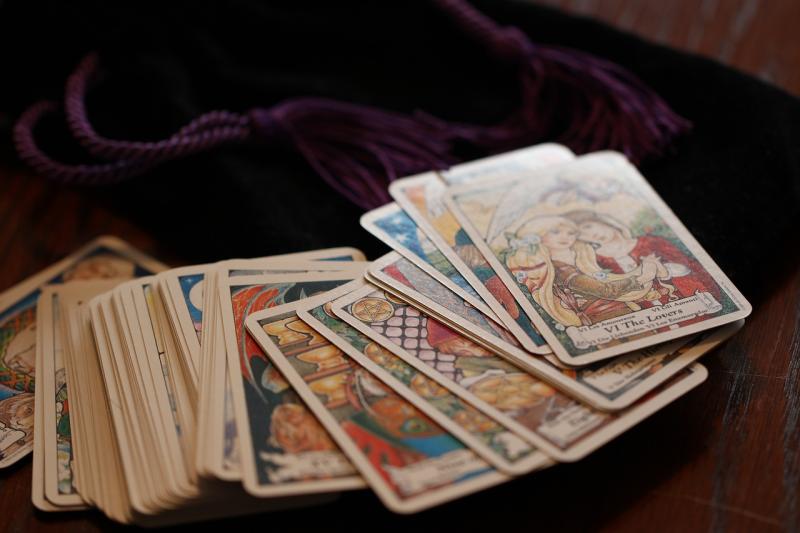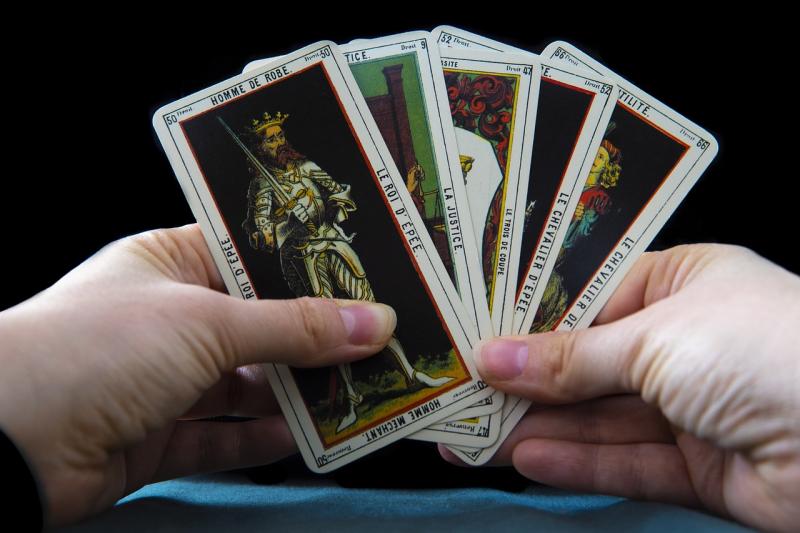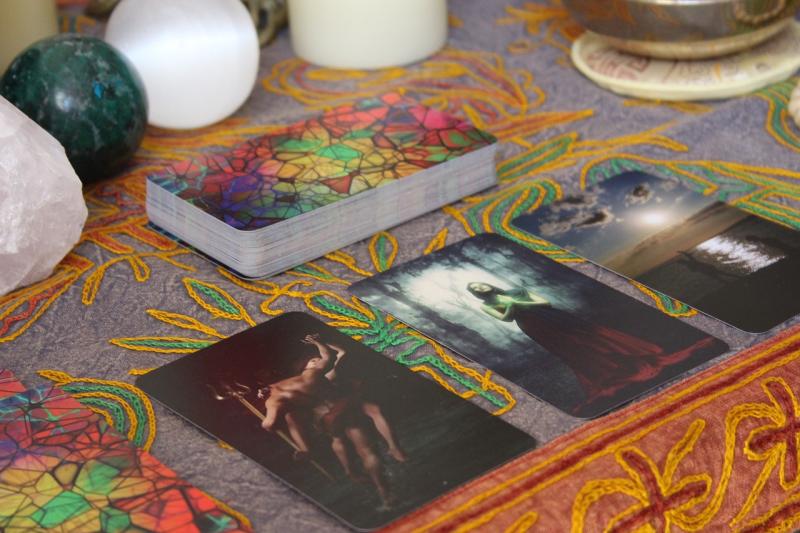
Tarot cards have a rich and intriguing history that dates back to the 15th century. Initially, they weren’t the mystical tools we know today. Instead, they were just playing cards used for games. In Italy, they became popular in the courts, where nobles enjoyed games like Tarocchi. It wasn’t until the 18th century that Tarot started to gain its magical reputation.
Some scholars believe Tarot cards were created for gaming, while others think they might have ancient roots linked to Egyptian mysticism or Kabbalistic teachings. This mix of cultural influences gives Tarot its unique flair. As the years went on, people began associating the cards with divination and spiritual insights, paving the way for modern Tarot practices.
In the 19th century, Tarot cards took a major turn. They were embraced by mystics and spiritualists who saw them as tools for self-discovery and prophecy. The famous Rider-Waite deck, created in 1909, played a significant role in this transformation. Its imagery and symbolism made a lasting impact, shaping how people interpret Tarot today.
Fast forward to now, and Tarot cards continue to captivate people worldwide. They’ve become popular for anyone interested in exploring their inner selves or seeking guidance. Whether you’re a seasoned reader or just curious, the history of Tarot is just as fascinating as the readings themselves.
Evolution Through the Ages
Tarot cards have traveled through time, adapting and transforming as they've caught the eyes of different cultures. It all began in the 15th century in Europe, mainly Italy, where they were just fancy playing cards. People used them for games, not for divination or readings like we see today.
Fast forward to the late 18th century, and tarot took on a whole new vibe. Influential figures, like Antoine Court de Gébelin, began to link tarot to ancient Egyptian wisdom. Even though this connection was pretty much a myth, it sparked a huge interest in using tarot for spiritual guidance and personal insight.
As the years rolled on, tarot cards found their way into the hands of mystics and artists. The Rider-Waite-Smith deck, created in the early 20th century, became a game changer. Its imagery and symbolism made tarot accessible to everyone, not just the spiritual elite. This deck is still popular today and has inspired countless other designs.
Now, tarot is a booming practice used by people from all walks of life. Whether you're looking for guidance, self-reflection, or just a fun way to spark conversations, tarot has become a beloved tool across the globe. From its humble beginnings as a card game to its status as a spiritual instrument, the journey of tarot is nothing short of captivating.
Cultural Impact of Tarot
Tarot cards have made quite a splash in various cultures around the world. They started as simple playing cards in the 15th century and quickly turned into something much deeper. People began using them for divination, and that’s when the magic really began. The illustrations on the cards, rich with symbols and meanings, sparked curiosity and fascination among many.
In the 20th century, Tarot experienced a renaissance. Artists and writers jumped on the bandwagon, creating decks that reflected a wide range of cultural influences. From the classic Rider-Waite deck to modern, colorful styles, there's a Tarot deck out there for everyone. This explosion of creativity has made Tarot even more accessible, allowing people from different backgrounds to connect with these cards.
Tarot has also found its way into pop culture. You’ll see mentions of it in movies, books, and even music. It’s not just a mystical tool anymore; it’s a symbol of intuition and self-discovery. Many folks turn to Tarot for guidance or simply for fun, sparking conversations about fate, self-reflection, and spirituality.
Beyond its use in divination, Tarot promotes community and connection. Many people join groups or attend workshops to learn about reading cards together. This sharing of experiences and insights creates a sense of belonging. Whether you’re a novice or a seasoned reader, the cultural impact of Tarot is visible in how it brings people together and encourages personal growth.
Modern Uses of Tarot Cards
Today, tarot cards are used for way more than just fortune telling. Many people turn to tarot for guidance, self-discovery, and clarity in their lives. Whether you're facing a tough decision or just need some insight into your day-to-day, tarot can offer a fresh perspective.
One popular use is for personal growth. People draw cards to reflect on their thoughts and feelings. The imagery and symbolism in the cards can spark deeper conversations with yourself. It’s like having a chat with your inner self, helping you understand what you truly want from life.
Another trendy way to use tarot these days is in group settings. Friends and family gather around with a deck to share interpretations and stories. It becomes a bonding experience, and each card opened brings laughter, intrigue, or even a few surprises. It’s a fun way to connect with others on a more profound level.
Online tarot readings and apps are also all the rage. These platforms let you pull a card from the comfort of your couch. You get instant insights without needing to shuffle a physical deck. Plus, many apps offer daily pulls, helping keep your intuition sharp and your mind open.